
MikroTik vs Ubiquiti: Which Networking Brand Is Right for You?
MikroTik and Ubiquiti dominate the professional networking space, but they serve different audiences. MikroTik offers raw power and flexibility through RouterOS, while Ubiquiti provides beautiful centralized management through UniFi. This guide breaks down the differences so you can choose the right ecosystem for your deployment.
MikroTik: Power and Flexibility
MikroTik's RouterOS is one of the most feature-rich network operating systems available. It supports full BGP, OSPF, MPLS, VPLS, WireGuard, firewall, QoS, bandwidth management, hotspot, PPPoE server, and much more — all on hardware that costs a fraction of enterprise alternatives. The tradeoff is complexity: RouterOS has a steep learning curve, and the Winbox/WebFig interface feels utilitarian compared to modern dashboards.
Ubiquiti: Polished and Centralized
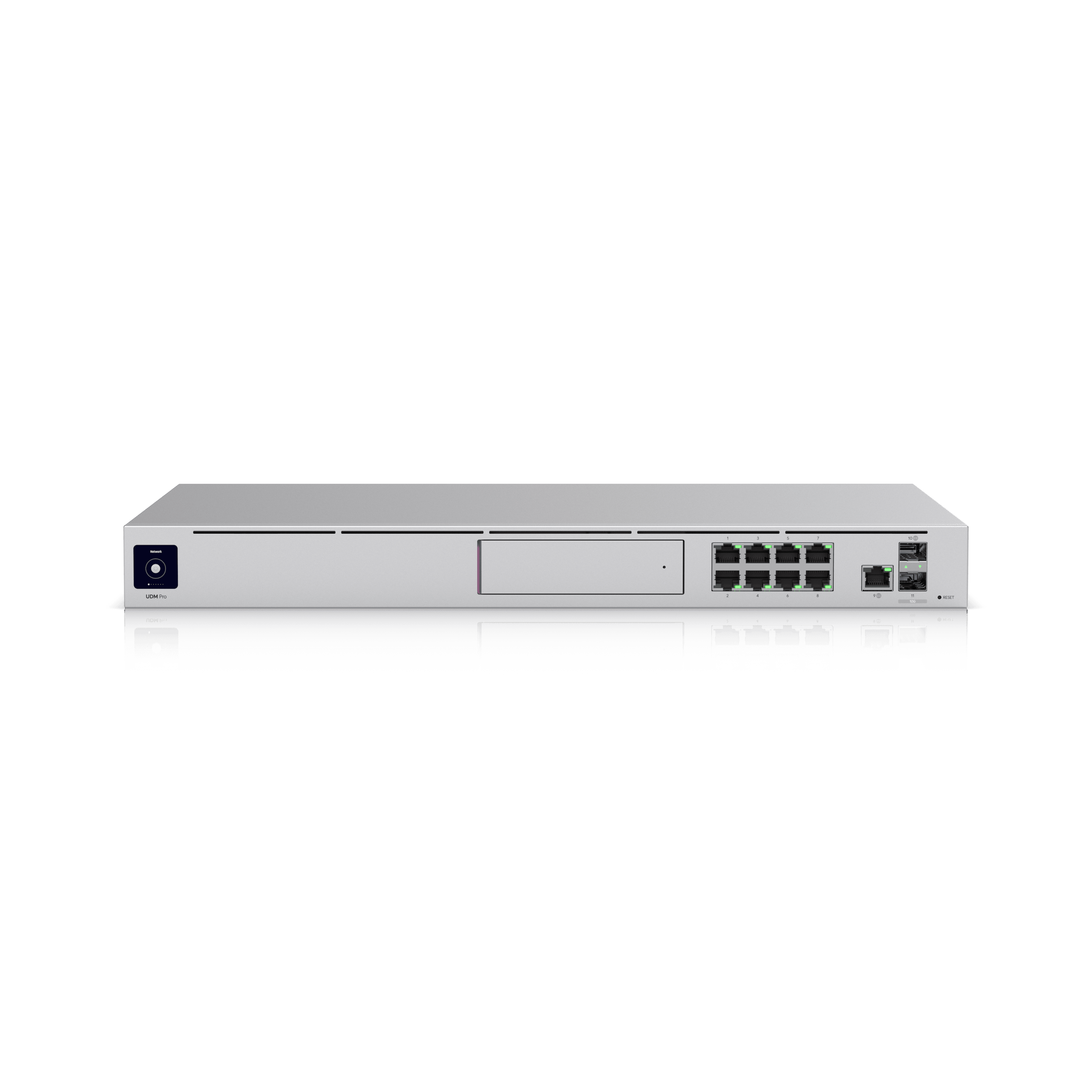
Ubiquiti's UniFi ecosystem is built around a centralized controller that manages all your devices — routers, switches, access points, cameras — from one beautiful dashboard. The UI is intuitive enough for non-experts, making it ideal for offices, hotels, and multi-site deployments. The UniFi Dream Machine Pro combines gateway, controller, NVR, and PoE switch in one 1U box. The tradeoff is less flexibility — advanced routing scenarios (BGP, MPLS) aren't supported, and you're locked into the UniFi controller paradigm.
When to Choose MikroTik
Choose MikroTik if: you're an ISP or service provider, you need BGP/OSPF/MPLS, you want maximum performance per dinar, you have network engineers on staff, you need flexibility for unusual topologies, or you're comfortable with CLI and scripting. MikroTik shines in ISP backhaul, WISP deployments, and anywhere you need full control over routing and traffic shaping.
When to Choose Ubiquiti
Choose Ubiquiti if: you want simple, beautiful management, you're deploying in offices/hotels/retail, you need integrated cameras and access control, you value ease of use over raw flexibility, you want one vendor for networking + surveillance, or you're deploying multiple sites managed from one dashboard. UniFi is the best choice when the network should 'just work' without deep expertise.
Can You Mix Both?
Yes, absolutely. Many deployments use MikroTik for core routing and edge (where advanced features matter) and Ubiquiti for the access layer (APs, switches, cameras) where ease of management matters. Both brands speak standard protocols, so they interoperate at Layer 2 and Layer 3. At Centrix, we regularly design hybrid deployments that leverage the strengths of both.
Products Mentioned in This Guide

 MikroTik·Routers
MikroTik RB5009UPr+S+IN
A compact ARM-based router delivering PoE on all ports, 2.5G Ethernet, and 10G fiber — ideal for small ISP and office networks.
-12% Ubiquiti·Routers
Ubiquiti UniFi Dream Machine Pro
An all-in-one 1U appliance combining security gateway, network controller, camera NVR, and managed switch in a single device.
 MikroTik·Routers
MikroTik CCR2004-1G-12S+2XS Router
A 1U rackmount core router with twelve 10G and two 25G fiber ports — built for ISP backbones and data center interconnects.
Frequently Asked Questions
Is MikroTik harder to configure than Ubiquiti?
Generally yes. MikroTik RouterOS has many more features and a less polished interface, making it harder for newcomers. Ubiquiti UniFi has a cleaner UI and guided setup. However, once you learn RouterOS, MikroTik offers far more flexibility.
Which brand is cheaper?
MikroTik is typically 20-40% cheaper than equivalent Ubiquiti products, especially at the high end. For example, a MikroTik CCR2004 offers more performance than a UDM-Pro at a lower price. For access points and switches, prices are closer.
Which brand should I use for a new office network in Kuwait?
For most office deployments in Kuwait, Ubiquiti UniFi is easier to manage and provides a better user experience. For ISP or technical deployments, MikroTik offers better value and features. Contact Centrix for a recommendation based on your specific requirements.
Need Help Choosing?
Our team can recommend the right products for your specific deployment in Kuwait.
Contact Centrix